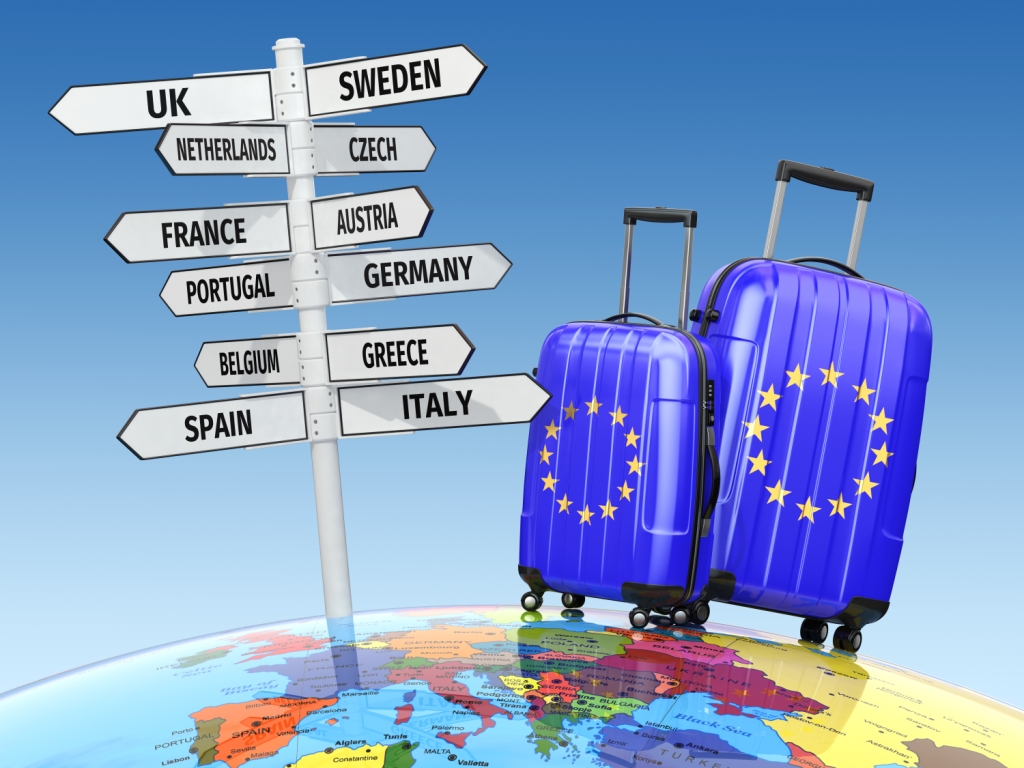
Bulgaria and Romania Fully Integrated into Schengen Zone

In a landmark development for European integration, Bulgaria and Romania have officially become full members of the Schengen Zone, ending years of political debate and partial access. The move, which took effect in 2025, removes land and air border checks between the two countries and other Schengen members, allowing for seamless travel, trade, and cooperation across Europe.
The decision is widely seen as a historic milestone for both nations, which joined the European Union in 2007 but faced repeated delays in achieving Schengen membership due to concerns about corruption, border security, and rule of law. After years of negotiation and incremental progress, full integration marks a symbolic and practical shift, bringing the EU’s eastern frontier deeper into the continental system of free movement.
Background: What Is the Schengen Zone?
The Schengen Zone is one of the EU’s most celebrated achievements. Established in 1995, it allows more than 420 million people across 27 countries to travel, live, and work without routine passport checks at internal borders.
Membership is not automatic for EU states. Countries must meet strict criteria, including secure border management, judicial cooperation, and strong anti-corruption measures. While Bulgaria and Romania joined the EU nearly two decades ago, concerns from other member states—particularly Austria and the Netherlands—delayed their entry into Schengen.
For years, the two countries enjoyed partial participation, with their citizens able to travel freely to most EU countries but still facing checks at land and air borders.
The Path to Full Membership
Bulgaria and Romania’s accession to Schengen was long overdue in the eyes of many EU leaders. Both countries passed technical evaluations as early as 2011, with the European Commission repeatedly confirming that they met the criteria.
However, political resistance, particularly around corruption and border security, blocked progress. Austria expressed fears that accession could worsen irregular migration into Central Europe, while the Netherlands demanded further rule-of-law reforms.
Momentum shifted in 2024, when the European Council approved partial membership for air and sea borders. After demonstrating effective implementation of security measures and cooperation with Frontex, the EU’s border agency, Bulgaria and Romania were finally cleared for full membership in March 2025.
What Changes for Citizens and Travelers?
The most immediate impact is the elimination of land border checks. Travelers driving from Bucharest to Budapest or Sofia to Thessaloniki will no longer face routine stops at border crossings. Airlines will also no longer check passports for flights within the zone, reducing travel time and administrative burdens.
Key benefits include:
- Freedom of Movement: Citizens can move seamlessly across Europe for work, study, or leisure.
- Trade Facilitation: Truck drivers and freight companies save hours previously lost at borders, cutting costs and boosting competitiveness.
- Tourism Growth: Easier travel is expected to increase tourist flows, particularly between Bulgaria, Romania, and neighboring Schengen states.
- Business Integration: Companies can expand operations with fewer logistical hurdles, integrating supply chains more effectively into the EU market.
Economic Impact
The economic benefits are expected to be substantial. The European Commission estimates that eliminating border delays will save businesses in Romania and Bulgaria millions of euros annually.
- Transport and Logistics: Long queues at borders with Hungary, Greece, and Austria have often added hours or even days to delivery schedules. Removing checks improves efficiency across entire supply chains.
- Tourism: Romania’s Black Sea coast and Bulgaria’s ski resorts anticipate surges in visitors from Western and Central Europe. Easier access by car and plane reduces friction for weekend and seasonal travelers.
- Investment Climate: Full integration into Schengen enhances investor confidence by signaling stability and closer EU integration.
Economists in both countries suggest that full membership could add 0.5–1% to GDP growth over the next five years.
Political and Symbolic Significance
Beyond economics, accession carries deep symbolic value. For both countries, Schengen membership represents recognition as full and equal members of the European community.
Romanian President Klaus Iohannis described the milestone as “a historic moment that fulfills the promise made when we joined the EU in 2007.” Bulgarian Prime Minister Nikolai Denkov echoed this sentiment, saying the decision was “a victory for perseverance, reforms, and European solidarity.”
For citizens, the change validates years of frustration over being treated as “second-class” EU members despite meeting technical standards. The end of border checks is widely celebrated as a sign that Bulgaria and Romania have finally “arrived” in Europe.
Reactions Across Europe
- EU Institutions: The European Commission hailed the accession as proof that enlargement and integration remain core strengths of the EU.
- Austria and the Netherlands: Once major holdouts, both governments expressed satisfaction with additional border measures and anti-corruption reforms that paved the way for membership.
- Neighboring States: Hungary, Greece, and Croatia, which share borders with Bulgaria and Romania, welcomed the move, highlighting the economic and cultural benefits of closer integration.
- Critics: Some opposition parties in Western Europe remain skeptical, warning of increased migration and security risks, though EU data suggests such concerns are exaggerated.
Challenges Ahead
While Schengen membership is a victory, challenges remain.
- Migration Management: Bulgaria and Romania now form part of the EU’s external frontier. They must demonstrate continued ability to secure borders against irregular migration, particularly along routes from Turkey and the Western Balkans.
- Rule of Law: Both countries still face scrutiny over corruption and judicial independence. Brussels will continue monitoring reforms through mechanisms like the EU’s Rule of Law Report.
- Infrastructure: Border crossings converted into free-flowing traffic hubs require modernization to handle increased flows of goods and people efficiently.
- Public Perception: Maintaining public support across the EU for continued enlargement and free movement will depend on ensuring that migration and security concerns are effectively addressed.
Broader Implications for the EU
The integration of Bulgaria and Romania has wider significance for the future of the EU:
- Strengthening Schengen: The enlargement reinforces Schengen’s role as a cornerstone of European integration, countering years of skepticism about its viability.
- Setting Precedent: The decision may encourage other EU candidates, such as Croatia before 2023 or potential future members in the Western Balkans, by showing that accession is possible with persistence and reform.
- Geopolitical Signal: At a time of Russian aggression in Ukraine and instability in the Balkans, deeper integration of Eastern EU states strengthens the bloc’s geopolitical cohesion.
Public Opinion
In Bulgaria and Romania, public celebrations marked the lifting of border checks. Citizens posted videos of their “last passport stamps” at crossings into Hungary and Greece, widely shared on social media. Surveys show overwhelming support for Schengen membership, with majorities viewing it as both a practical improvement and a symbolic affirmation of European belonging.
Across Europe, public opinion remains divided. While many welcome the strengthening of free movement, others worry about migration pressures, particularly in countries like Austria and Germany. Policymakers will need to manage these perceptions carefully to preserve unity.
Conclusion
The full integration of Bulgaria and Romania into the Schengen Zone is a watershed moment for both countries and the EU as a whole. It brings tangible economic benefits, strengthens regional cooperation, and symbolizes the fulfillment of a long-delayed promise of equality within the European family.
Yet it also carries responsibilities. As members of Schengen’s external frontier, Bulgaria and Romania must continue to demonstrate effective border management, anti-corruption reforms, and commitment to EU values.
For citizens, businesses, and travelers, the disappearance of border checks is a visible reminder of the freedoms Schengen represents. For the EU, the enlargement reinforces the idea that despite challenges, integration remains both possible and desirable.
As Europe faces uncertainty from migration pressures, geopolitical tensions, and populist backlash, the message from Bulgaria and Romania’s accession is clear: the European project of free movement and unity is alive, resilient, and expanding.