Belgium Imposes Border Checks to Curb Migration
Belgium has reintroduced border checks within the Schengen area in a move aimed at curbing irregular migration and tightening security. The decision, announced by Prime Minister Alexander De Croo earlier this year, represents a significant shift for a country at the heart of Europe’s free movement zone.
Why Belgium Is Reintroducing Border Controls
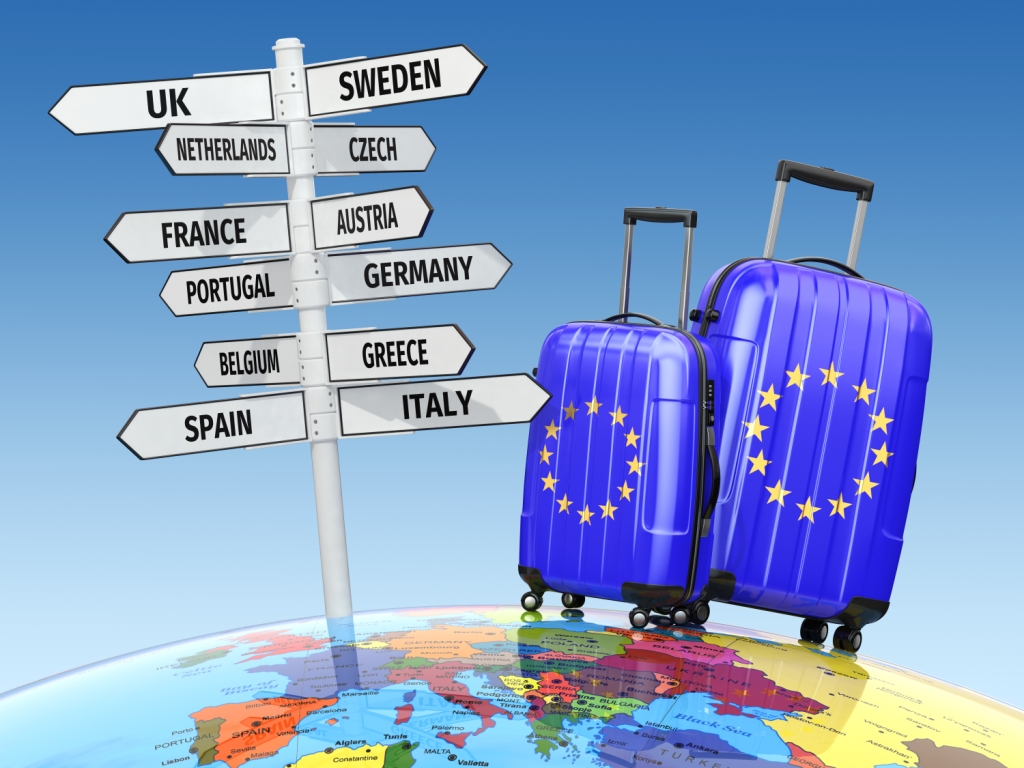
The Schengen Agreement allows passport-free travel across 27 European countries, but it also places pressure on states when migration flows increase. Belgium, long considered a transit country for migrants heading to the United Kingdom and northern Europe, has seen a sharp rise in irregular entries in recent months.
Authorities say the new checks are targeted, temporary measures focused on transport corridors, highways, and trains from neighboring countries such as France and the Netherlands. Officials emphasize that Belgium is not “closing its borders,” but rather exercising its right under Schengen rules to impose temporary controls in exceptional circumstances.
Government Justification
Interior Minister Annelies Verlinden explained that the measure is necessary to “combat human smuggling, strengthen security, and prevent Belgium from becoming a hub for irregular migration.” The government argues that people-smuggling networks are exploiting loopholes in free movement, using Belgium as a staging point for further journeys.
The checks will focus on:
- Trains arriving from France, Germany, and the Netherlands.
- Major motorways near border crossings.
- Bus stations and transport hubs.
Belgian police and border guards have been instructed to work closely with counterparts in neighboring countries to coordinate enforcement.
Reactions Across Europe
The decision has sparked debate both domestically and across the EU:
- Supporters argue that Belgium is right to protect its borders and disrupt smuggling operations, especially as irregular crossings across Europe remain politically sensitive.
- Critics warn that the move undermines the spirit of Schengen and risks setting a precedent for other states to follow suit. Rights groups have also raised concerns about racial profiling and the potential mistreatment of asylum seekers.
France and the Netherlands have expressed understanding for Belgium’s position but called for a coordinated EU-wide response rather than unilateral measures.
Impact on Travelers and Trade
For ordinary travelers, the checks may result in delays, particularly on trains between Brussels and Paris, which are frequently used by both tourists and commuters. Truck drivers and businesses reliant on cross-border trade are also bracing for possible disruptions in supply chains.
Belgian authorities insist they are taking steps to minimize inconvenience for legitimate travelers while prioritizing enforcement against smugglers and irregular migration.
Legal Framework
Under EU law, Schengen members are permitted to reintroduce temporary border checks for up to six months in response to security threats or migration pressures. Belgium has signaled that its controls will remain “as long as necessary” but will be subject to periodic review.
Looking Ahead
The move highlights the growing tension within the EU between maintaining free movement and responding to migration pressures. With elections approaching in several member states, migration remains a politically charged issue, and Belgium’s actions are likely to fuel debate about the future of Schengen.
Whether the border checks will succeed in reducing irregular migration—and at what cost to free movement and European integration—remains to be seen. For now, Belgium joins a growing list of countries experimenting with temporary controls as Europe grapples with balancing openness and security.