
Bali Bans New Hotels and Restaurants After Deadly Flooding
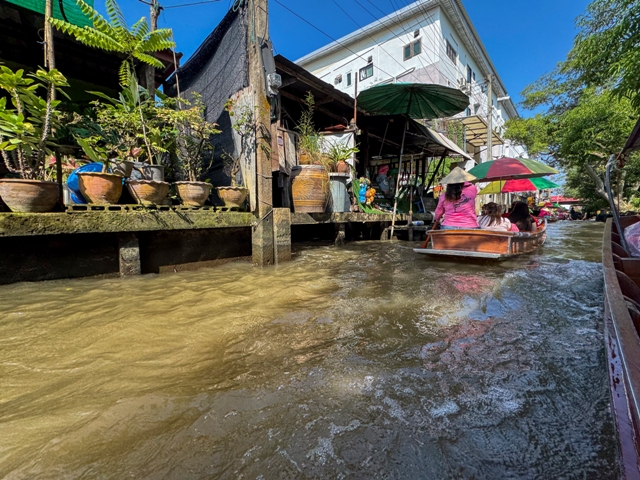
Bali, Indonesia’s premier tourist destination, has announced a sweeping ban on new hotels and restaurants in response to devastating floods that killed dozens and displaced thousands. The landmark decision is aimed at curbing the unchecked growth of mass tourism and addressing the island’s worsening environmental vulnerabilities.
The Floods That Sparked Change
In September 2025, torrential rains triggered landslides and floods across several districts in Bali, leaving a trail of destruction in popular tourist hubs as well as rural communities. Authorities reported widespread damage to infrastructure, farmland, and residential areas, with recovery efforts ongoing.
Environmental activists have long warned that the conversion of rice paddies and agricultural land into luxury resorts and restaurants has weakened the island’s natural defenses against flooding. The floods brought those concerns into sharp focus, accelerating the government’s move to enforce tighter development controls.
What the Ban Means
Under the new regulation, permits for new hotels, villas, and restaurants on agricultural land will no longer be issued. Existing establishments are unaffected, but investors hoping to expand into Bali’s tourism market will face strict restrictions.
Officials clarified that the ban is not a total freeze on tourism development, but rather a safeguard against unsustainable land use. Urban areas already zoned for commercial development may still see new projects, provided they comply with environmental standards.
Sustainable Tourism Goals
Governor I Wayan Koster emphasized that Bali must “balance economic opportunity with ecological survival.” Tourism contributes nearly 60% of the island’s economy, but local leaders say the focus must shift toward sustainability, cultural preservation, and protecting Bali’s reputation as a world-class eco-destination.
The ban forms part of Bali’s broader sustainability roadmap, which includes:
- Reinforcing zoning laws to protect rice fields and green belts.
- Expanding eco-tourism initiatives in villages.
- Investing in flood-mitigation infrastructure.
- Encouraging the rehabilitation of degraded land.
Reaction from Stakeholders
The decision has received mixed reactions:
- Local Communities: Many residents welcomed the ban, seeing it as overdue protection for farmland and water resources that have been steadily eroded by tourism-driven development.
- Investors and Developers: The hospitality industry expressed concern over lost business opportunities, with some arguing the restrictions could stifle economic growth.
- Environmental Groups: Conservation organizations praised the move as a rare example of political leadership prioritizing ecology over profit.
International Attention
The decision has drawn global attention, with sustainability advocates highlighting Bali’s move as a model for other destinations facing overtourism. Travel experts predict the island may reposition itself as a premium, eco-conscious destination—attracting travelers willing to pay more for responsible experiences.
Challenges Ahead
While the ban marks a bold step, experts caution that enforcement will be key. Bali has historically struggled with illegal construction and corruption in permit approvals. Without strong oversight, the policy risks becoming symbolic rather than transformative.
Moreover, balancing tourism revenue with sustainability will require careful planning. Businesses dependent on mass tourism may face financial strain, while communities will need support to adapt to eco-focused economic models.
Looking Forward
Bali’s ban on new hotels and restaurants represents a turning point in how the island manages tourism growth. The floods served as a painful reminder of the costs of unchecked development, but they may also catalyze a more resilient future.
If successfully implemented, Bali could emerge as a leading example of how destinations can safeguard both their environment and cultural heritage—while still thriving as global tourism hubs.